Inhaltsverzeichnis
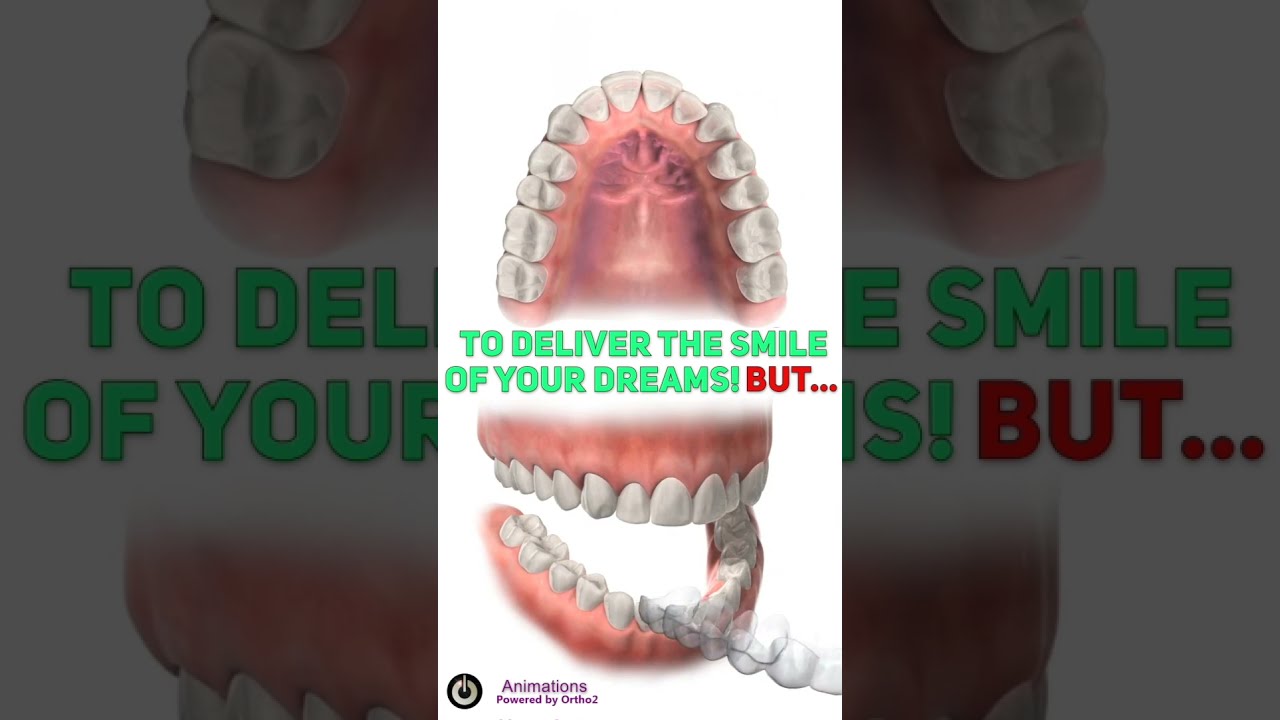
Since both primary and permanent teeth may suffer injury, a dental therapist must first of all know the situations in which the use of a splint is indicated as a means of immobilization . Orthodontic treatment is often seen as an alternative method to splinting. It repositions teeth so that the received forces are evenly spread out. The dental codes for procedures for splinting traumatic teeth together - D4320 and D4321 .
- Temporary Splints - The treatment period for dental splints is less than six months.
- Stabilization splints are the treatment of choice, and must be balanced to accommodate the specific needs of the patient .
- We will provide you with information that is accurate, authoritative, and trustworthy on all aspects of dentistry.
- The Aqualizer® should be worn twice as long as it takes for pain relief, and then removed Invisalign Dubai until symptoms begin reappearing.
- The weaknesses of this type of immobilization are that the metal thins and breaks with chewing, and it also prevents good oral hygiene, which leads to gingivitis .
Since teeth become loose, they tend to space out and drift whenever you chew or speak even. Splinting is most often recognized as a technique used to stabilize teeth that have become loose due to gum disease. Permanent Splints - It is used to treat long-term periodontal issues.
Dental splinting
When muscle relaxation is achieved and/or inflammation subsides, the position of the teeth on the splint will change. Neuromuscular harmony often returns when readjustment to the CR position is accomplished. If interferences on the splint are continually eliminated by rebalancing into CR, the patient will realize long-lasting relief from symptoms. Splints provide diagnostic information, allow muscles in spasm to relax, protect the teeth and jaws from the adverse effects of bruxism, and normalize periodontal ligament proprioception. These devices can also allow repositioning of the condyles and jaws into centric relation . Treatment of occlusal-related disorders is often a challenge for both the dentist and the patient.
Types of splint

Semi-rigid splint, placed after tooth avulsion of the central incisors. Our mission is to provide treatment with orthodontic and retention splints with the best quality-price ratio. That’s why we offer removable and invisible orthodontic aligners adapted to each individual case, as well as retainers so you can keep your perfect smile forever. Orthodontic splints should always be used within the framework of a treatment monitored by a specialist. They’ll be prescribed after a detailed examination of the patient and initial testing to determine if the patient is ready to start treatment.
This may include the kinds of treatment procedures described above in category 2. For many years, the material of choice was a clear or tooth-colored hard acrylic , but this material held certain flaws. One major issue was polymerization shrinkage, which caused the appliance to warp during the curing process, creating a less-than-perfect fit once the appliance was seated in the mouth. Methyl methacrylate is a very rigid material that had to be kept clear of any undercuts, with ball clasps compensating for the lack of retention.
The blended phosphate cement is poured into the prepared splint after which the splint is cemented in the patient’s mouth, with verification of the central occlusion. Use the scissors to cut the edge of the gauze to create a rectangular shape, so the future splint will cover two neighboring teeth on each side of the injured tooth. This method is performed directly in the patient’s mouth, and for that reason, it is very uncomfortable because the acrylic sets in the mouth, creating an unpleasant warm reaction. Dental splints induce the periodontal ligament fibers and prevent mobility. Dental splinting cannot be used in patients with severe crowding and malalignment.